A Stanford review of how deep learning improves neuroimaging acquisition, from artifact removal and harmonization to lower dose and shorter scans.
Most AI in radiology works at the end of the imaging chain: detecting, classifying, and predicting. This review, published in Frontiers in Neurology by a Stanford team including Greg Zaharchuk and Max Wintermark, looks upstream, at how deep learning can improve neuroimaging before anyone reads it.
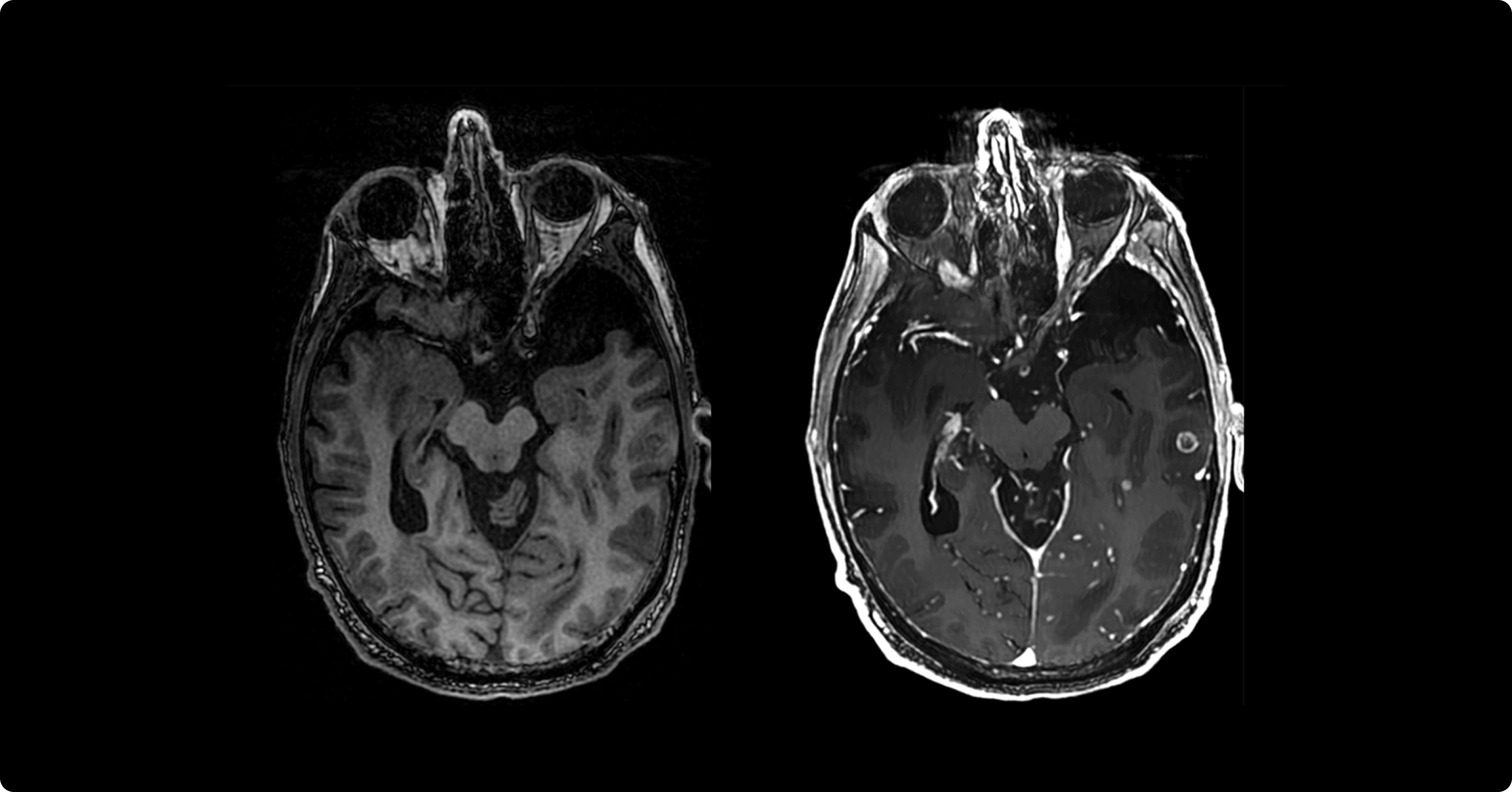
The authors survey applications across MRI, CT, and PET: removing artifacts, harmonizing images across scanners, improving image quality, lowering radiation and contrast dose, and shortening scans. They argue these upstream uses may reach clinical practice sooner than diagnostic AI, partly because they carry fewer ethical and medicolegal risks. The software improves the image, and the radiologist still makes the call.
Publications
MRI
MRI
Publications
MRI
MRI